Festival Circuit
Sundance Wasn't Looking For India
How American independent cinema's biggest stage became one of Indian cinema's most reliable ones anyway
30 June 2026 / 8 min read
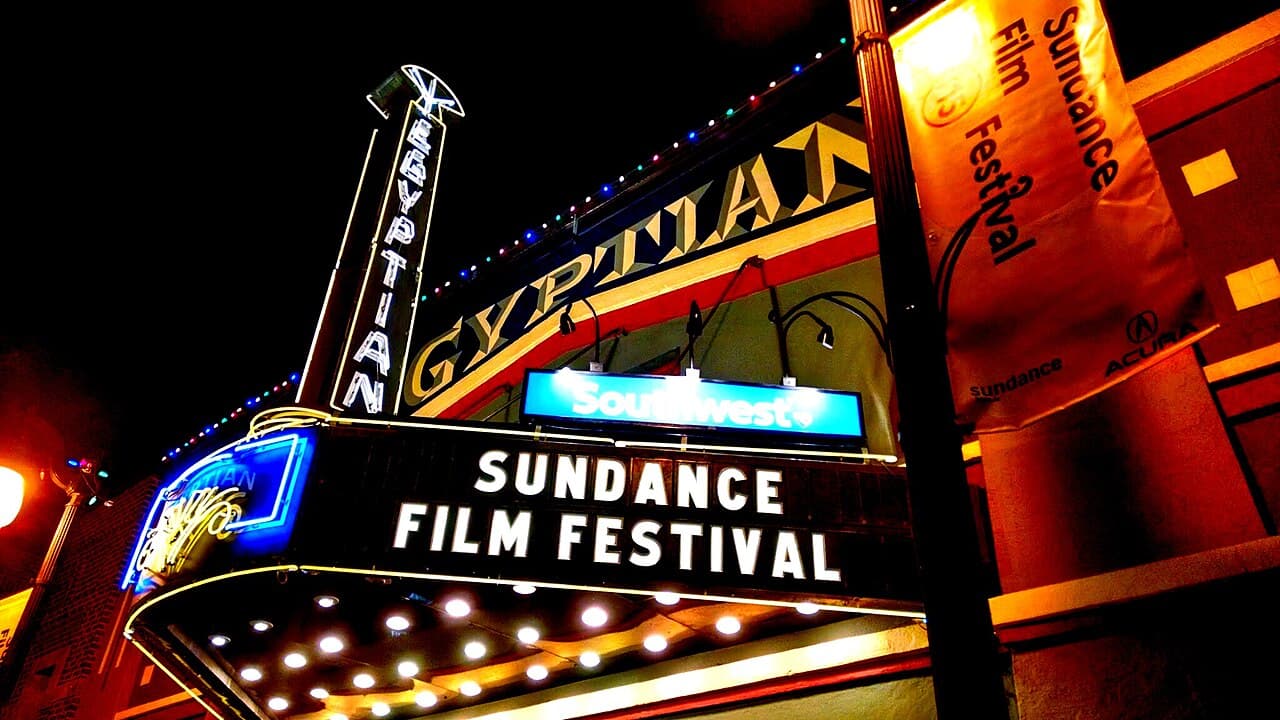
Every festival in this series exists, at least partly, because of a country or a continent it decided to pay attention to. Nantes built itself around Asia, Africa, and Latin America. Busan built itself around Asian cinema specifically. Sundance didn't build itself around anywhere at all - it was Robert Redford's answer to a simple, parochial question: where does American independent film go when the studios won't touch it. India was never part of that founding math. And yet, decade after decade, Indian filmmakers have kept finding their way onto a stage that was never designed with them in mind, usually by being good enough, or bold enough, or simply strange enough, that the festival's own restless taste for independent voices did the rest.
1992: A Standing Ovation for a Film About Someone Else's America
The earliest real marker in this story belongs to Mira Nair, and it isn't even a film set in India. Mississippi Masala, her 1991 drama about a Ugandan-Indian family displaced to the American South and a love affair that crosses the color line, premiered at Sundance in 1992 to a standing ovation. It's worth sitting with what that says about the shape of India's relationship with Sundance from the very start: this was never going to be a festival about "Indian cinema" as a national category, the way it's been at Nantes or Busan. It was going to be about Indian filmmakers, and the diaspora stories they carried with them, finding a home in a festival built for exactly that kind of in-between, doesn't-fit-anywhere storytelling.
The Institute Behind the Festival
What makes Sundance genuinely different from every other festival in this series isn't just the films that get screened each January - it's the machinery running underneath, year-round, that most audiences never see. The Sundance Institute runs labs and fellowships designed to develop films long before they're finished, and Indian filmmakers have quietly been part of that infrastructure for years. Chaitanya Tamhane - whose Court had already won at Venice in 2014 - received a Sundance Institute Open Borders Fellowship in 2018, support aimed at exactly the kind of filmmaker Sundance has always claimed to care about most: not the finished product, but the person still building toward one.
That's a different kind of relationship than a festival simply programming a film once it's ready. It's Sundance investing in Indian filmmaking talent before the rest of the world has any reason to know their names yet.
When Indie Cinema Meets a Bigger Audience
Sundance's other defining trait - and the one that separates it most sharply from Cannes or Venice - is its pipeline into mainstream American distribution. A Sundance premiere can turn into a wide theatrical release in a way a Locarno or Nantes premiere almost never does. Aneesh Chaganty's Searching, which won the NEXT Audience Award in 2018, is the clearest example of an Indian-American filmmaker riding that pipeline all the way through. A screenlife thriller told entirely through computer and phone screens, starring John Cho as a father searching for his missing daughter, it went from a Park City premiere to a genuine theatrical hit - the kind of commercial afterlife that almost never happens to a film that starts its life in a festival's discovery section anywhere else in this series.
2024 and 2025: Two Years, Two Firsts
Then came the run that makes Sundance's recent India story impossible to ignore.
In 2024, Shuchi Talati's Girls Will Be Girls - a coming-of-age drama set at a boarding school in the Himalayas, following a teenage girl's first brush with desire and the mother whose own past starts resurfacing because of it - won the Audience Award for World Cinema Dramatic, with lead actress Preeti Panigrahi separately winning the World Cinema Dramatic Special Jury Award for Acting. Two prizes, one film, in a single edition.
The very next year, Rohan Parashuram Kanawade's Sabar Bonda - released internationally as Cactus Pears - won the World Cinema Grand Jury Prize: Dramatic, Sundance's top honor in the category, becoming the first Marathi-language feature ever to premiere at the festival in the first place. It was the only Indian or South Asian film in competition that year: a quiet, aching story about a gay man returning to his mourning village and the tentative bond he forms there with a local farmer. The jury - Ava Cahen, Daniel Kaluuya, and Wanuri Kahiu - didn't hedge in their citation, calling it simply the great modern love story of the moment. Kanawade himself called the win a victory not just for the film but for Marathi cinema and Indian cinema both, in the same breath.
Two consecutive years, two different languages of Indian storytelling - one in English and Hindi, one entirely in Marathi - both landing on the same stage, in a category most Sundance coverage barely mentions next to the festival's flashier US premieres.
Coming Back to Judge
In 2024, the same year Girls Will Be Girls won its prizes, Mira Nair returned to Sundance - not as a filmmaker premiering something new, but as a juror, sitting alongside Lena Waithe and Shaunak Sen, whose own documentary All That Breathes had already picked up a Golden Eye at Cannes two years earlier. Thirty-two years after her own standing ovation in Park City, Nair was on the other side of the table, helping decide which new voices got Sundance's attention next.
What TalkiesDB Tracks
Sundance was never going to have a Cannes-style thirty-year silence or a Locarno-style single landmark, because it was never organized around countries in the first place - it's organized around a kind of film, and Indian filmmakers have kept finding ways to make that kind of film, whether through diaspora stories, festival-lab fellowships, or a Marathi-language debut nobody outside Maharashtra had reason to expect. TalkiesDB's Sundance page tracks all of it: Nair's arc from premiere to juror, Tamhane's path from a Sundance fellowship to a Venice prize, and the two-year run that put Girls Will Be Girls and Sabar Bonda back to back - the connective tissue a single festival report never has room to draw.
What TalkiesDB Tracks
The story continues in the database.
Explore the films, festival appearances, directors, and movements behind this essay through TalkiesDB's structured cinema archive.
Explore More